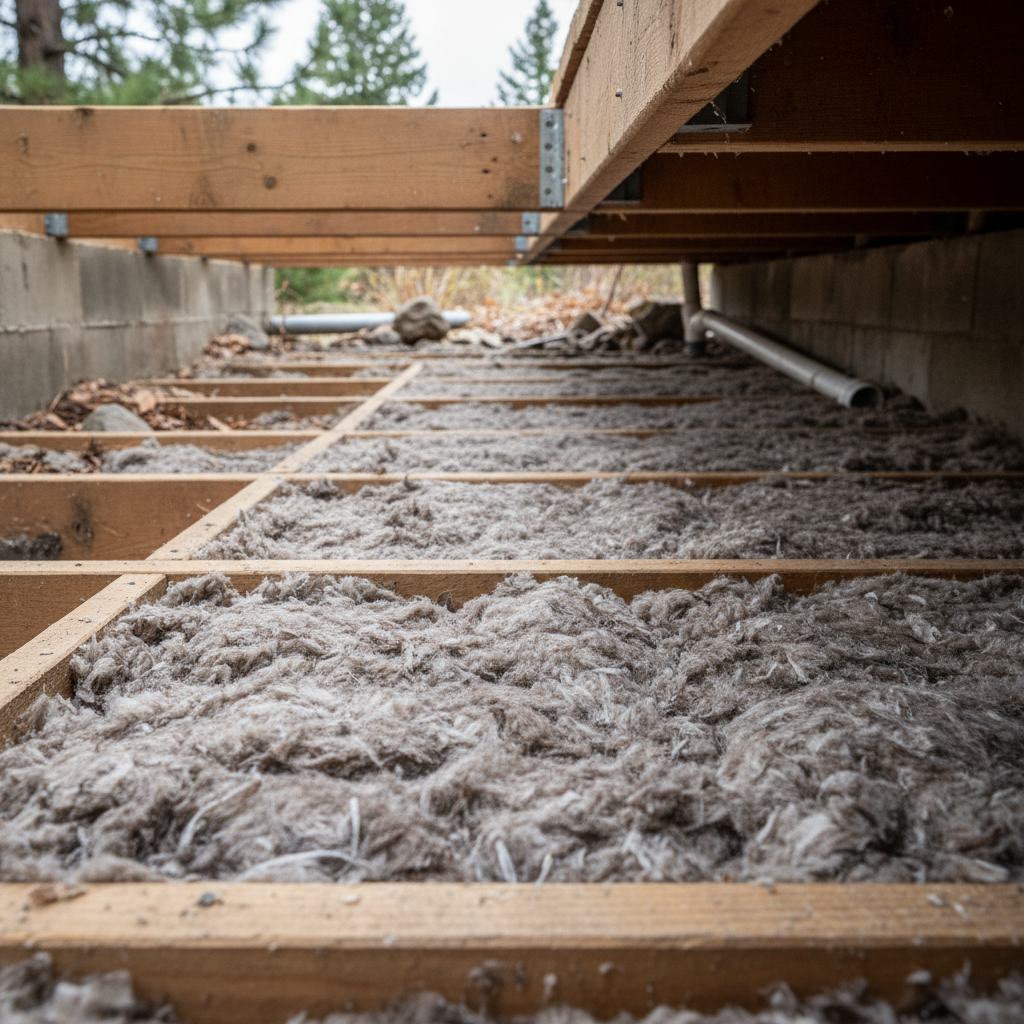
Your crawl space. It's probably not something you think about much, until you've got cold floors, high energy bills, or maybe even a funky smell. But that forgotten space under your house plays a huge role in your home's comfort and efficiency, especially here in Spokane with our wild temperature swings.
Insulating your crawl space isn't just about saving a few bucks on heating. It's about protecting your home from moisture, pests, and making your living space genuinely more comfortable. Let's talk about what's involved, what you might be able to do yourself, and when it's smart to pick up the phone.
Before You Start: What to Know
First things first, you can't just slap insulation up there and call it a day. You've got to address any underlying issues. This is crucial. If you don't, you're just putting a band-aid on a bigger problem, and you'll be dealing with mold or rot down the line. Trust me, I've seen it too many times.
- Moisture Control: Is your crawl space damp? Do you see standing water after a good rain or during our spring thaws? You absolutely need to fix any water intrusion issues first. This might mean improving exterior drainage, installing a sump pump, or laying down a proper vapor barrier. A thick, durable vapor barrier (at least 10-mil) covering the entire ground and sealed at the seams and piers is non-negotiable. Without it, ground moisture will wick up into your home, making your insulation useless and creating a perfect breeding ground for mold.
- Pest Control: Critters love crawl spaces. Check for signs of rodents, insects, or other pests. Seal up any entry points from the outside. You don't want to insulate a cozy home for mice.
- Clean Up: Get rid of any debris, old insulation, or anything else that doesn't belong. You need a clean slate to work with.
- Safety First: Crawl spaces are dirty, confined, and sometimes dangerous. Wear appropriate PPE: a good respirator, gloves, eye protection, and old clothes. Make sure you have good lighting. If you're claustrophobic or have mobility issues, this might not be a DIY job for you.
The Insulation Options: A Quick Look
You've got a few main choices for crawl space insulation:
- Fiberglass Batts: This is what most folks think of. It's relatively inexpensive and easy to install between joists. However, it's terrible with moisture. If it gets wet, it sags, loses R-value, and becomes a mold magnet. It's also not great for air sealing.
- Rigid Foam Boards: These are much better at resisting moisture and provide a good R-value per inch. They're typically cut to fit and sealed at the seams. Good for perimeter walls.
- Spray Foam: This is my personal favorite, and for good reason. It air seals as it insulates, creating a continuous thermal and moisture barrier. It sticks to everything, fills every nook and cranny, and doesn't sag. It's a game-changer for crawl spaces, especially in older Spokane homes where you've got uneven foundations or lots of penetrations.
DIY vs. Pro: Making the Call
So, what can you realistically do yourself?
DIY Tasks (If you're handy and brave):
- Vapor Barrier Installation: Laying down and sealing a vapor barrier is definitely a DIY project. It's tedious, but totally doable. Make sure it goes up the piers and walls a bit, sealed tight.
- Fiberglass Batt Installation: If you're just replacing old, dry fiberglass batts between floor joists and your crawl space is easy to access, you can probably handle this. Just remember the moisture warning. If you're insulating the perimeter walls with batts, you'll need to hold them in place with netting or rigid foam.
- Rigid Foam Board Installation: Cutting and fitting foam boards against the perimeter walls can be a DIY project. You'll need a good utility knife, some foam-compatible adhesive, and cans of spray foam sealant for gaps. This creates a much better thermal envelope than just insulating the floor joists.
When to Call a Pro (Seriously, don't mess with these):
- Any Moisture or Structural Issues: If you've got standing water, mold, rot, or foundation cracks, call a specialist. An insulation contractor isn't necessarily a foundation repair expert. Get those big problems fixed first.
- Encapsulation Projects: If you're going for full crawl space encapsulation – sealing off the entire space from the outside, insulating the perimeter walls, and conditioning the air – it's a big job. This often involves specialized equipment, precise sealing, and sometimes even HVAC modifications.
- Spray Foam Insulation: This is almost always a pro job. Spray foam requires specialized equipment, proper training, and extensive safety precautions. The chemicals involved can be dangerous if not handled correctly, and getting the mixture wrong means you won't get the R-value or the air seal you're paying for. Plus, it's messy if you don't know what you're doing. For something like this, you want the expertise of a company like Spokane Spray Foam Insulation. We've got the gear and the know-how to get it done right, safely, and efficiently.
- Limited Access or Hazardous Conditions: If your crawl space is super tight, has sharp objects, or you suspect asbestos or other hazardous materials, leave it to the pros. Your safety isn't worth the savings.
After the Project: What to Expect
Once your crawl space is properly insulated, you should notice a difference pretty quickly. Your floors won't be as cold in the winter, your heating and cooling systems won't have to work as hard, and you might even notice better indoor air quality. Keep an eye on your energy bills – they should drop. Periodically check your crawl space for any new signs of moisture or pests, especially after heavy rains. Proper insulation is an investment, and like any good investment, it needs a little looking after to keep paying you back.