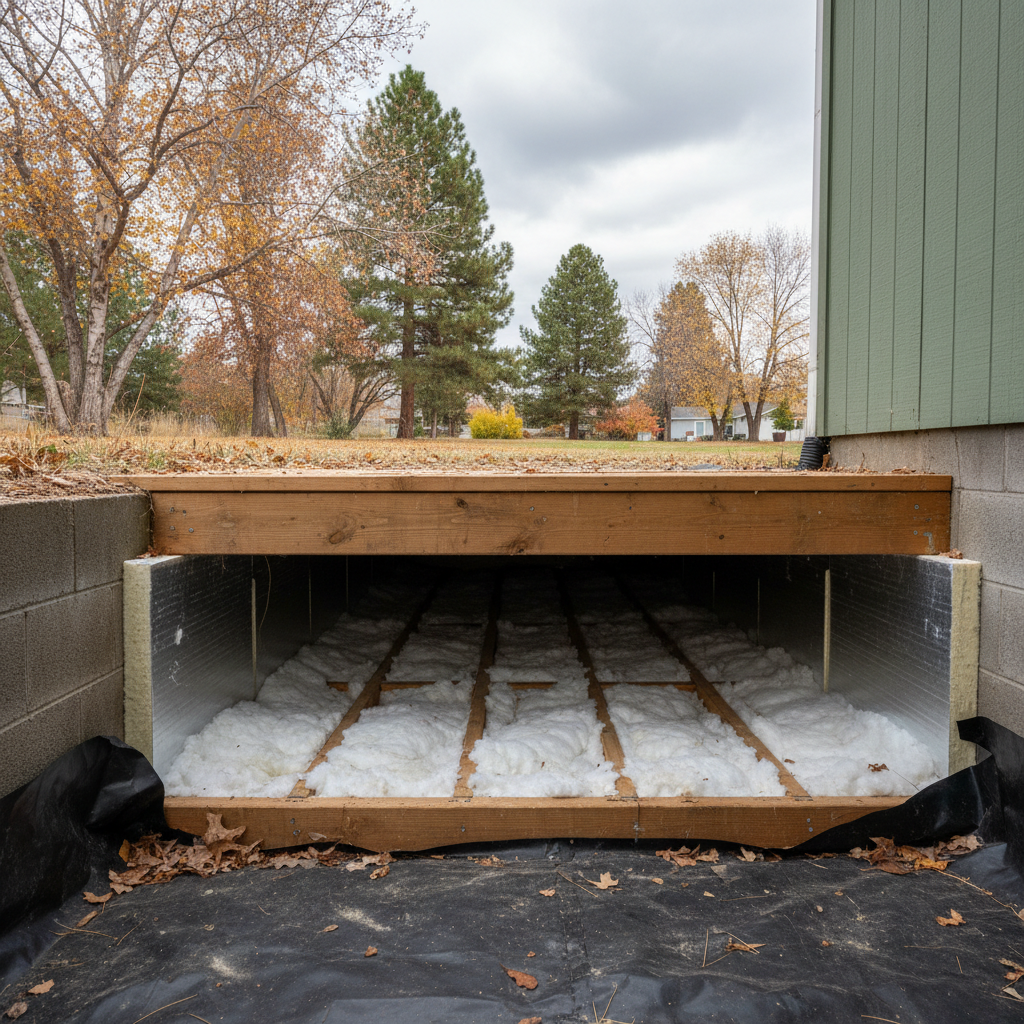
Thinking about your crawl space insulation? Good. It's one of those 'out of sight, out of mind' areas that can really mess with your home's comfort and your energy bills if it's not right. Here in Spokane, our weather swings mean timing is everything. You don't want to just jump into it; a little planning goes a long way.
When's the Best Time to Insulate Your Crawl Space?
Honestly, you can get crawl space insulation done pretty much any time of year, but there are definitely better windows. If you're asking me, late spring and early fall are usually ideal. Why?
- Spring (April to June): The ground's drying out from winter snowmelt, but it's not scorching hot yet. This means the crawl space air isn't super humid, and it's comfortable enough for my crew to work efficiently down there. You're also getting ahead of the summer heat, so your AC won't be fighting cold, damp air from below.
- Fall (September to November): Similar story. The summer heat has broken, but we haven't hit the deep freeze yet. It's a great time to seal things up before winter really settles in, making sure your floors stay warm and your furnace isn't working overtime.
That said, we do insulation year-round. It just might mean a bit more prep work or different challenges depending on the season. If your crawl space is a mess, don't wait for the 'perfect' season; get it fixed.
Weather Conditions That Affect the Work
Spokane's climate can be a bit dramatic, right? That definitely plays into crawl space work.
Heavy Rain or Snow: This is the big one. If your crawl space is prone to flooding or even just getting really damp during heavy rains or snowmelt, we can't just spray foam over a wet mess. We'd need to address the moisture issue first. That might mean drainage improvements, sump pumps, or just waiting for things to dry out. Trying to insulate a wet crawl space is like putting a band-aid on a broken leg – it won't fix the core problem and could lead to bigger issues like mold or rot down the line. We see this a lot in older homes in areas like the South Hill where foundations might not be as robust against groundwater.
Extreme Temperatures: While my crew are tough, working in a crawl space when it's 100 degrees outside or below freezing isn't ideal. It can affect the spray foam application, too. The chemicals need certain temperatures to cure properly. We've got ways to manage this – heaters in winter, fans in summer – but milder temps just make for a smoother, faster job.
High Humidity: This goes back to moisture. If the air in the crawl space is super humid, it can slow down the drying process for any moisture control efforts and affect the foam's adhesion. We always check humidity levels before we start spraying.
Protecting Your Investment Year-Round
Once you've got that new insulation in, you want it to last, right? It's not a 'set it and forget it' situation entirely, especially with a crawl space.
- Keep it Dry: This is paramount. Make sure your gutters are clean and draining away from your foundation. Check your downspouts. Grade your landscaping so water flows away from the house, not towards it. If you have a vapor barrier, make sure it's intact and doing its job. A dry crawl space is a healthy crawl space.
- Regular Inspections: You don't need to be down there every week, but a quick peek once or twice a year is smart. Look for any signs of new moisture, pests, or damage. If you see anything suspicious, get it checked out.
- Pest Control: Critters love crawl spaces. Mice, rats, raccoons – they can chew through insulation, vapor barriers, and even wiring. Make sure any entry points are sealed up. This is a huge one for protecting your insulation from damage.
- Maintain Ventilation (if applicable): If your crawl space is vented (which is less common with modern encapsulation, but some still are), make sure those vents aren't blocked by debris or overgrown plants.
- Address Plumbing Leaks Immediately: A small drip can turn into a big problem fast. If you hear dripping or see water stains, get a plumber in there ASAP. Water is the enemy of insulation.
Getting your crawl space insulated by Spokane Spray Foam Insulation is a solid investment in your home's comfort and efficiency. But like any good investment, it needs a little looking after. Pay attention to the seasons, keep an eye on things, and you'll reap the benefits for years to come.