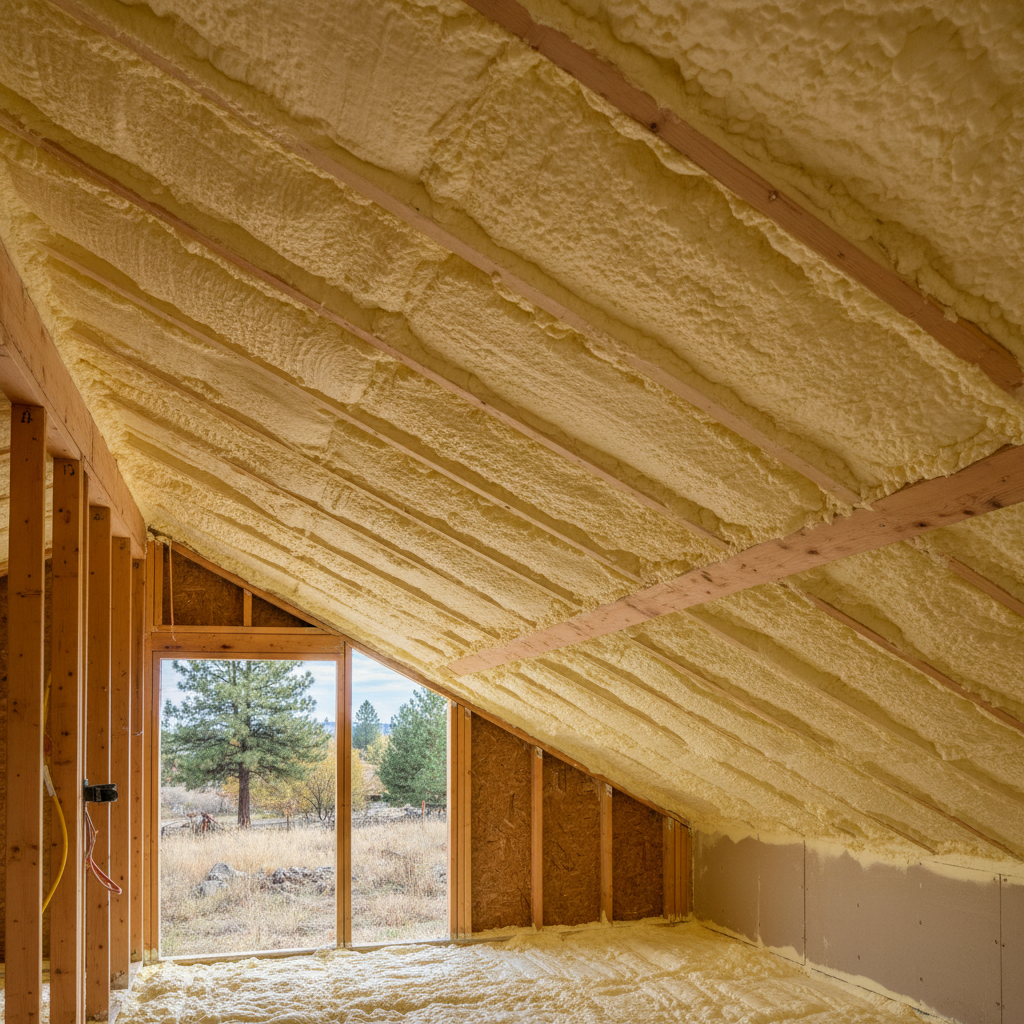
So, you've got closed-cell spray foam insulation in your Spokane home. Smart move, really. It's tough stuff, super durable, and a fantastic barrier against our chilly winters and those summers that just keep getting hotter. But like any big investment, a little bit of care goes a long way toward making sure it keeps working its best for decades. You wouldn't just put a new roof on and then completely forget about it, would you? Same idea here, though the maintenance for foam is a whole lot less hands-on.
Making Your Investment Last Longer
The biggest thing you can do to make your closed-cell spray foam last is pretty simple: just leave it alone. No, really. Once it's in there and cured, it turns into this rigid, permanent barrier. It won't sag, settle, or break down like some other insulation types do. What can mess with it, though, are things from the outside. Stuff like:
- Physical Damage: Treat this foam like any other finished surface. If you're heading into your attic or crawl space, be careful. Don't scrape it, poke it, or lean heavy things against it. It's tough, yes, but it's not indestructible. I've seen people accidentally knock out chunks when they're trying to run new wiring or plumbing. Just be mindful.
- Moisture Intrusion (from outside): Closed-cell foam is an amazing moisture barrier, but it can't fix a leaky roof or a crack in your foundation. If water's getting into your house from outside, you need to fix that problem at its source. The foam will stop moisture from moving through it, which is great, but letting standing water from a big leak sit there for a long time isn't good for any building material, including the wood framing it's attached to. Fix the leak first, then check the insulation.
- UV Exposure: This one's a big deal, especially if your foam is in an attic or crawl space that isn't totally sealed off from sunlight. Closed-cell spray foam isn't made to sit in direct sunlight for long periods. Those UV rays will make it break down over time, turning it brittle and powdery. If you have spots where the foam gets direct sun, it needs a protective coating. Usually, we use a fire-rated intumescent paint for this, which also doubles as a UV barrier. If your attic has a vent that shines sunlight right onto the foam, you'll definitely want to take care of that.
What "Regular Maintenance" Actually Means
For closed-cell spray foam, "regular maintenance" mostly means looking at it once in a while, not actually doing any work. Here's what I tell all my Spokane clients:
Once a year, maybe when you're swapping out your furnace filter or cleaning your gutters, take a quick look at any areas with spray foam. That usually means your attic and crawl space. You don't need to look for anything super complicated, just obvious problems.
- A Quick Look: Does it still look the same as when we put it in? Is it still stuck firmly to everything? See any new cracks or gaps?
- Pest Activity: Spray foam is generally good at keeping pests out because it's so dense, but nothing is 100% proof against a really determined critter. Look for signs of rodents or bugs trying to tunnel through. If you spot gnaw marks or nests, that's a problem you need to deal with, both for the pests and for the foam itself.
- Water Stains: Are there any fresh water stains on the foam or on the wood framing nearby? That's a definite red flag for a leak somewhere.
- Smells: Do you smell anything musty or just plain weird? That could mean moisture issues or mold growing, which needs checking out.
That's really it. It's more about paying attention than getting your hands dirty.
Signs That Something's Wrong
Your home usually gives you hints if something isn't right. If you notice any of these, it might be tied to your insulation, and it's time to investigate:
- Energy Bills Suddenly Higher: If your heating or cooling costs jump up without a good reason (like a crazy cold snap or heatwave), your insulation might not be doing its job anymore.
- Drafts or Cold Spots: Feeling cold air coming from outlets, light fixtures, or certain walls? This could mean a break in your home's thermal envelope, maybe a gap in the foam or a spot that got missed.
- Pest Evidence: Actually seeing mice, rats, or bugs inside your living space, especially if you haven't had them before, could mean they've found a way in through your crawl space or attic.
- Musty Smells: Persistent damp or musty odors, especially in basements, crawl spaces, or attics, are a strong sign of moisture problems.
- Visible Damage: If you can actually see the foam crumbling, flaking, or changing color, that's a pretty clear sign something's wrong. For instance, if you've got closed-cell foam on your rim joists in the crawl space and it starts looking powdery, that's definitely something to worry about.
When to Call the Pros
Most of the time, your closed-cell spray foam will just do its thing without any fuss. But there are times when you really need to bring in someone who knows what they're doing. Give Spokane Spray Foam Insulation a call if:
- You find serious damage: We're talking big holes, widespread crumbling, or areas where the foam has pulled away from the surface.
- You think you have a major leak: If you've got significant water stains or active drips, you'll need to get the leak fixed first, then we can check the insulation for repair or replacement.
- You're dealing with a pest problem that just won't quit: Once the pests are gone, we can fix any damage they did to the foam and seal up their entry points.
- You're planning renovations: If you're adding an addition, changing your HVAC system, or doing anything that might mean cutting into or changing the existing foam, it's best to talk to a professional. We'll make sure your thermal envelope stays intact.
- You're seeing those warning signs and can't figure out why: If your energy bills are high, you've got drafts, or you just have a gut feeling something's off, we can come do an inspection and figure out what's going on.
The bottom line is, closed-cell spray foam is a really solid product. It's made to last. A little bit of looking around proactively is usually all it takes to keep your Spokane home comfortable and efficient for many, many years to come.